

DANH MỤC SẢN PHẨM
Vật liệu tản nhiệt
Vật liệu tản nhiệt
Thermal Interface Material
Why TIMs Matter
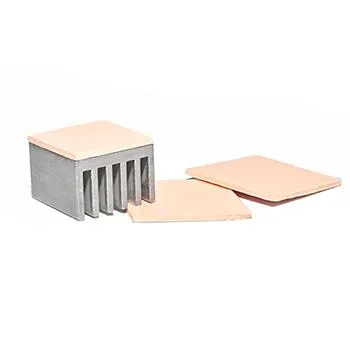
Thermal Interface Materials (TIMs) are essential for efficient heat transfer, bridging gaps between components and heat sinks to reduce thermal resistance and prevent performance-degrading hotspots. With options like silicone-based pads (up to 25 W/m·K) and graphene-enhanced TIMs (1800+ W/m·KW/mK), they enhance system performance by minimizing thermal impedance, ensuring reliability in high-demand devices like CPUs and GPUs. TIMs serve versatile applications, from dissipating 200 W/cm² in EV batteries to withstanding extreme thermal cycling in aerospace systems, while also addressing EMI shielding and structural stability for industries requiring advanced thermal management.
Types of TIMs
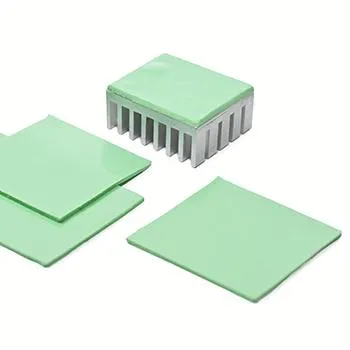
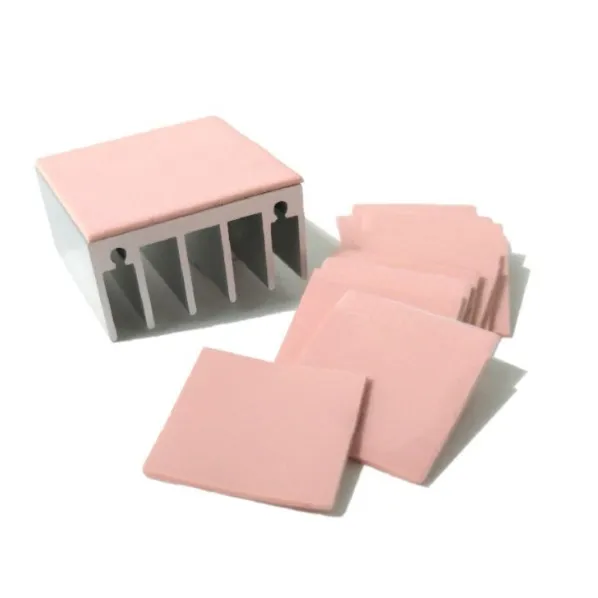
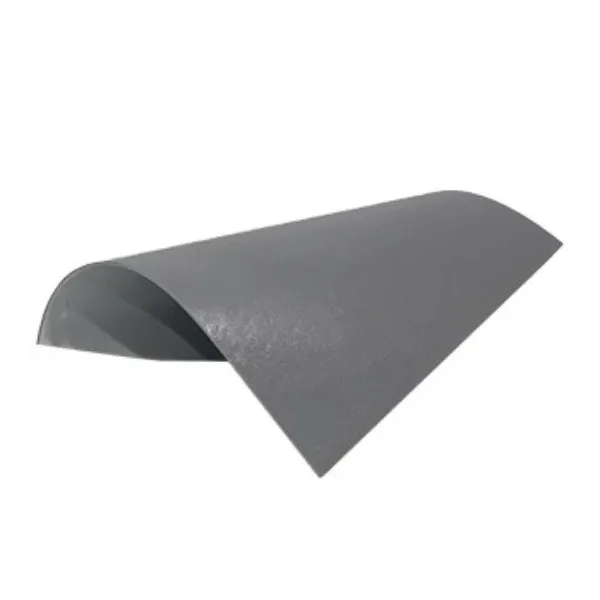
- Thermal Pads: Flexible silicone layers (1-25 W/m·K) for uneven surfaces; optimized for high-voltage applications.
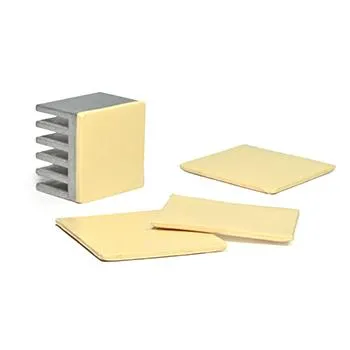
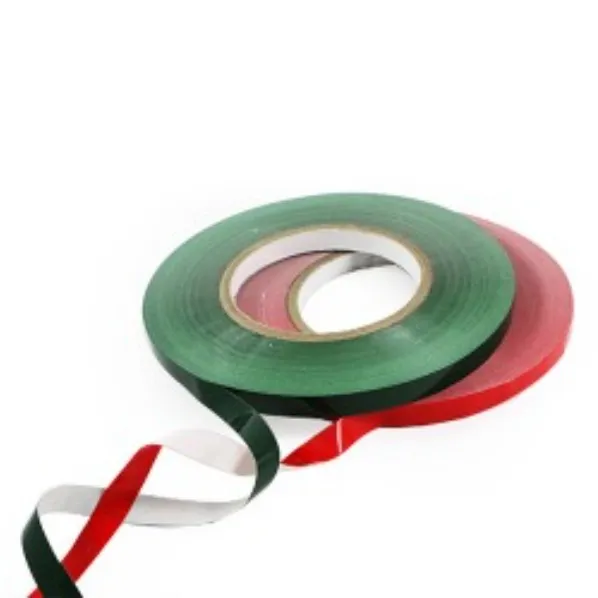
- Thermal Tapes: Adhesive TIMs (1-2.1 W/m·K) for bonding LEDs and heatsinks; durable under thermal cycling.
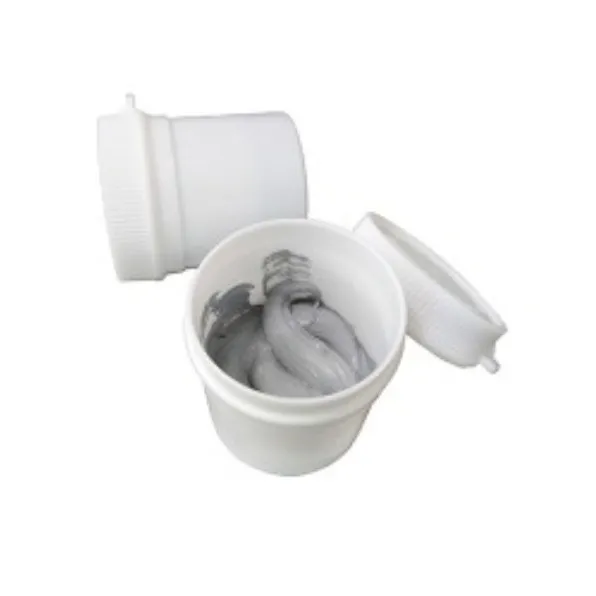
- Thermal Paste: Low-resistance pastes (1.9-9.0 W/m·K) for high-power electronics; resistant to pump-out and bleed.
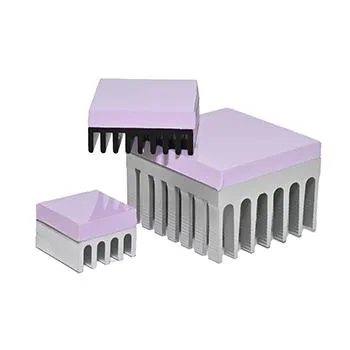
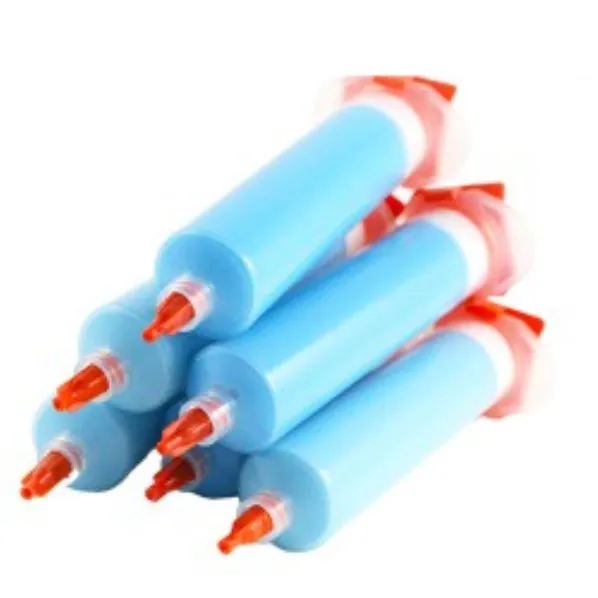
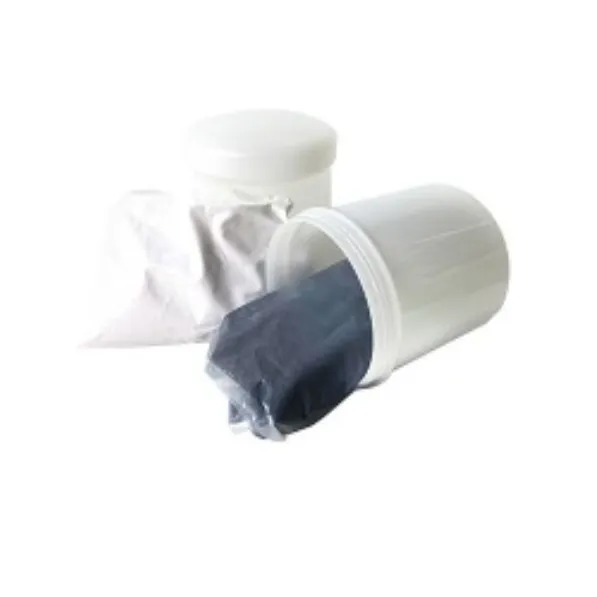
- Thermal Putty: Reusable, flowable TIMs (up to 8 W/m·K) for large gaps and thermal expansion in EVs and IGBTs.
- Thermally Conductive Gel: Low thermal resistance material (3.5-5.0 W/m·K) that cured by room temperature.
- Potting Compounds: Dual-function encapsulants (2.6-2.8 W/m·K) for protection and heat dissipation in power electronics.
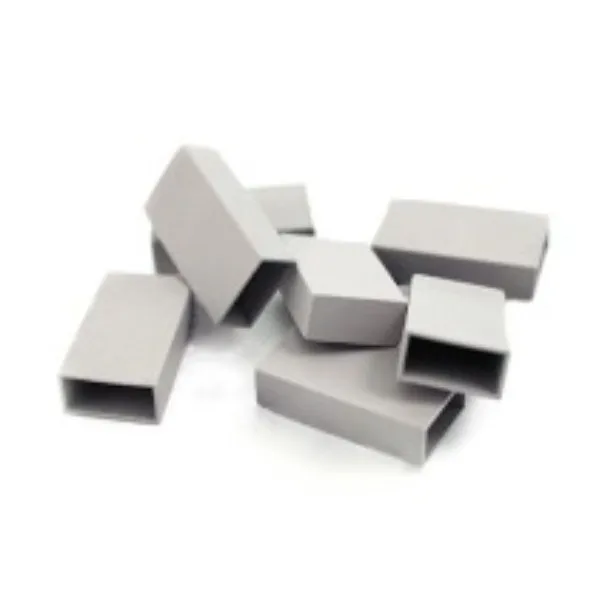
- End Caps: Elastomer TIMs (2 W/m·K) for cylindrical components; designed for extreme aerospace/automotive conditions.
- Graphite Sheets: Ultra-thin, lightweight TIMs (up to 1500 W/m·K) for compact devices like smartphones.
- Graphene: High-performance materials (1500-1800 W/m·K) for 5G and quantum computing thermal challenges.
- Phase-Change Materials (PCMs): Solid-to-liquid TIMs (up to 9.5 W/m·K) activating at 45-50°C for efficient heat transfer.
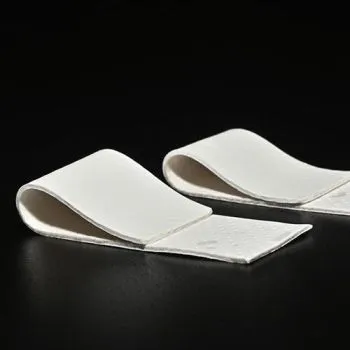
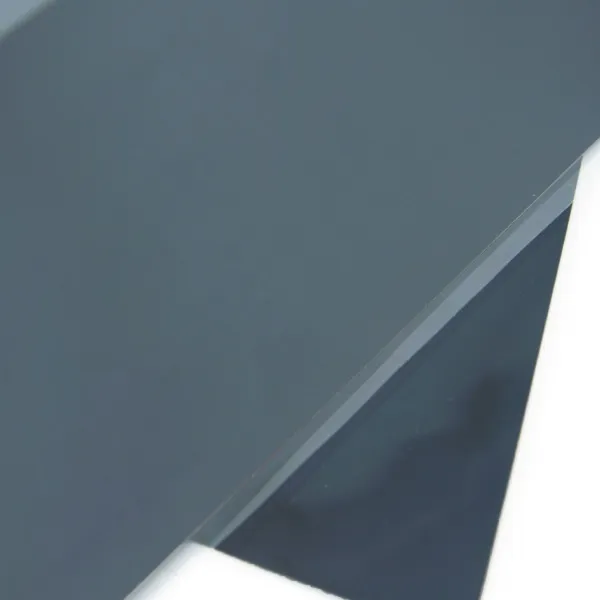
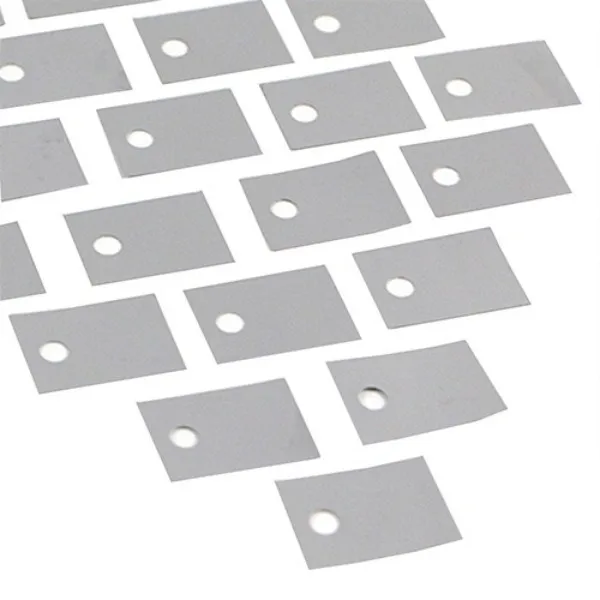
- Thermally Conductive Insulators: High-performance thermally conductive insulator with 1.9 W/m·K thermal conductivity.
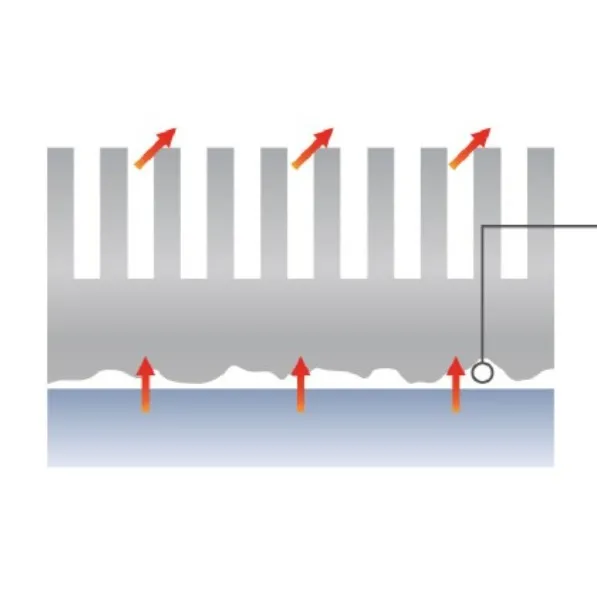
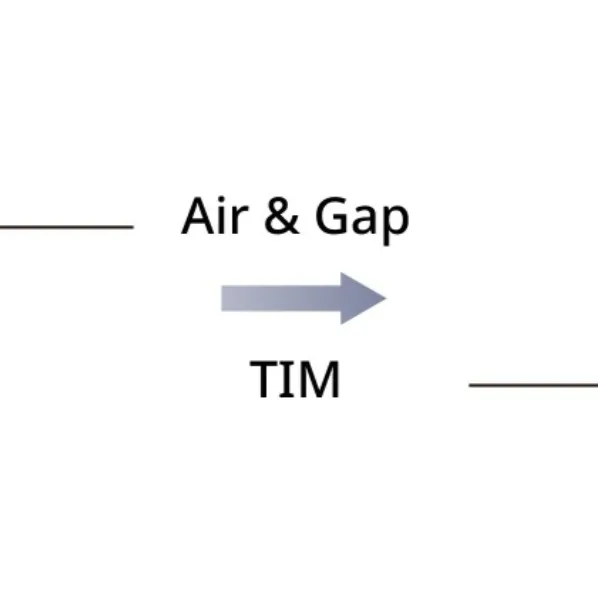
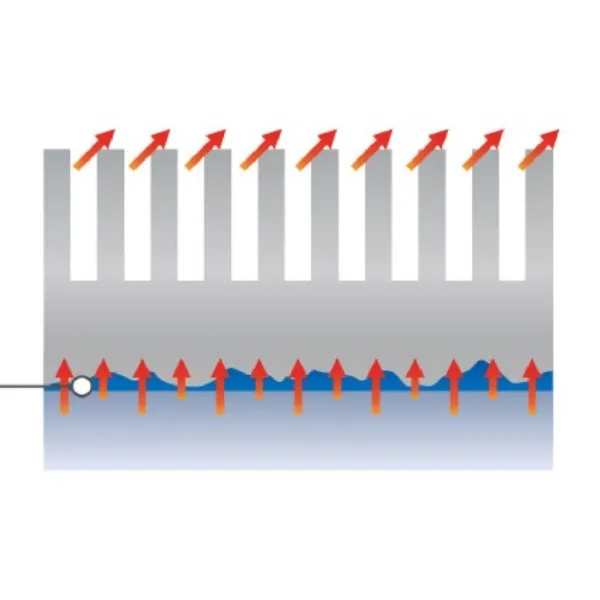
Thermal interface materials have been generally used in all heat dissipation modules to fill the gaps and uneven holes on the surface of the electronic materials, otherwise it will seriously hinder heat conduction. With the pursuit of high-power performance in electronic products, in addition to the pursuit of thermal conductivity of thermal interface materials, material reliability and the reduction of interface thermal resistance are more important issues.
| Heat Theorem | ||
|---|---|---|
 |
 |
 |
|
The surface of different components may have unevenness that is not visible to the naked eye, which greatly reduces the contact area between the two surfaces. |
||
Selection Guide
The types of thermal interface materials include thermal pads, thermal tape, thermal grease, and thermal putty. In order to accelerate heat transfer by filling the gap between the chip heat source and the heat sink, the heat energy of the chip is effectively transferred to the heat sink fins, which also improves the life of the chip and the product usage efficiency.
Vertical |
||||||
|---|---|---|---|---|---|---|
| Plate | Paste | Special type | ||||
| High thermal conductivity | High viscosity | Low thermal resistance | High viscosity | Mature curing | Fast cooling | Insulation |
Thermal Pad |
Thermal Tape |
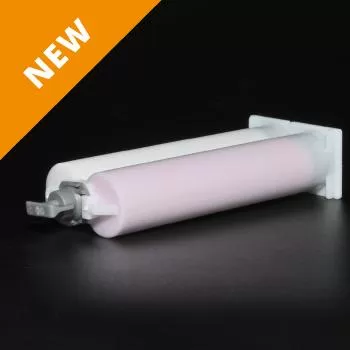
Thermal Paste |
Thermal Putty |
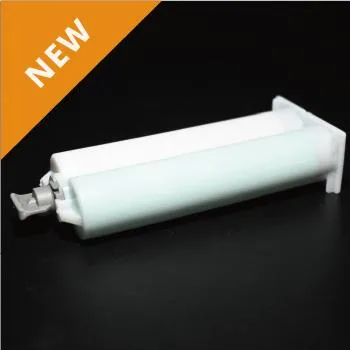
Potting Compound |
Phase Change Materials |
Thermal Insulation Rubber Cap |
| It can effectively reduce the contact thermal resistance between the surface of heat source and the contact surface of heat dissipation components. | With high thermal conductivity, high adhesiveness and low thermal resistance |
Effective in filling uneven surface areas |
A thermal interface material with a softness between thermal grease and thermal pad | Protecting electronic components from influences from the external environment after being cured | Good fluidity of the material after melting, it can completely fill the uneven gap on the surface. | Easy to install components, Reducing product weight |
 |
 |
 |
 |
 |
 |
 |
Horizontal |
|||
|---|---|---|---|
| Graphite Sheet | Thermal Composite Material | ||
| Thin and light | Containing copper foil | bendable | Good insulating, good tensile strength |
Graphite Sheet |
Graphene |
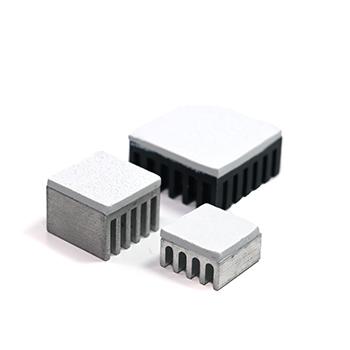
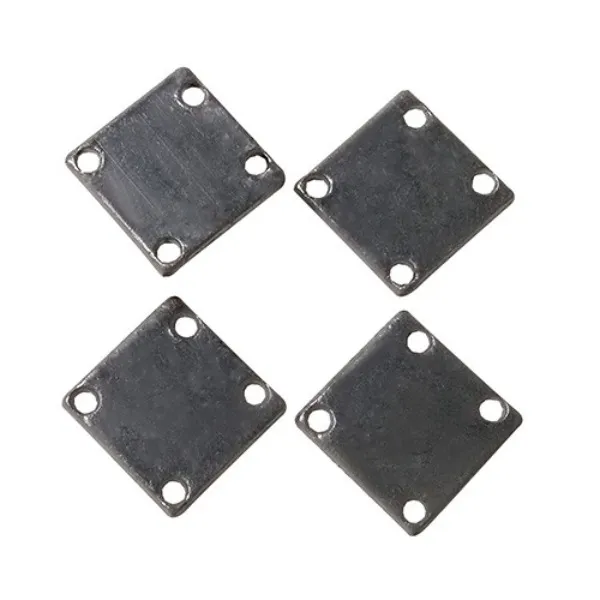
Heat Spreader |
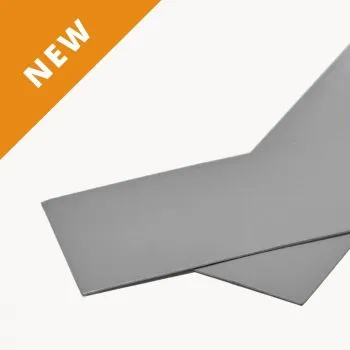
Thermal Insulator |
| Ultra high thermal conductivity, electrical conductivity, and EMI shielding effect | Graphene has good horizontal conductivity, and will not have the problem of peeling and powder falling. |
Metal-based, with a radiant paint coating, can more effectively in product’s heat dissipation. |
Polyimine is used as a substrate and is commonly used in electronic products that require high electrical insulation. |
 |
 |
|
 |
All heat dissipation begins with thermal conductivity.
When new electronic products are introduced, the IC process and chip efficiency are greatly increased according to the production process capability and market demand, and the user experience must be taken into account to pursue the thin, lightweight, small, and high efficiency, resulting in high density of heat on the surface of the heating element. The heat is continuously transferred to the heat sink through thermal conduction, and eventually, the thermal balance is achieved without overloading the product's mechanical components. Due to the contact surface of different components between products, there is a so-called interface thermal resistance to be considered when heat is transferred. Moreover, the surface of different components may have unevenness that is not visible to the naked eye, which greatly reduces the contact area between the two surfaces. In this case, it is necessary to rely on the Thermal Interface Material (TIM) to fill the micro voids and uneven surface holes created when the two materials are joined or contacted to reduce the resistance to heat transfer.
Thermal conductivity
The ability of a given material to conduct/transfer heatDielectric Breakdown Voltage
The voltage at which a given insulating object becomes conductive
Hardness
Higher softness numbers indicate harder materials.