

Silicone Thermal Interface Materials: Advantages and Considerations for Electronics
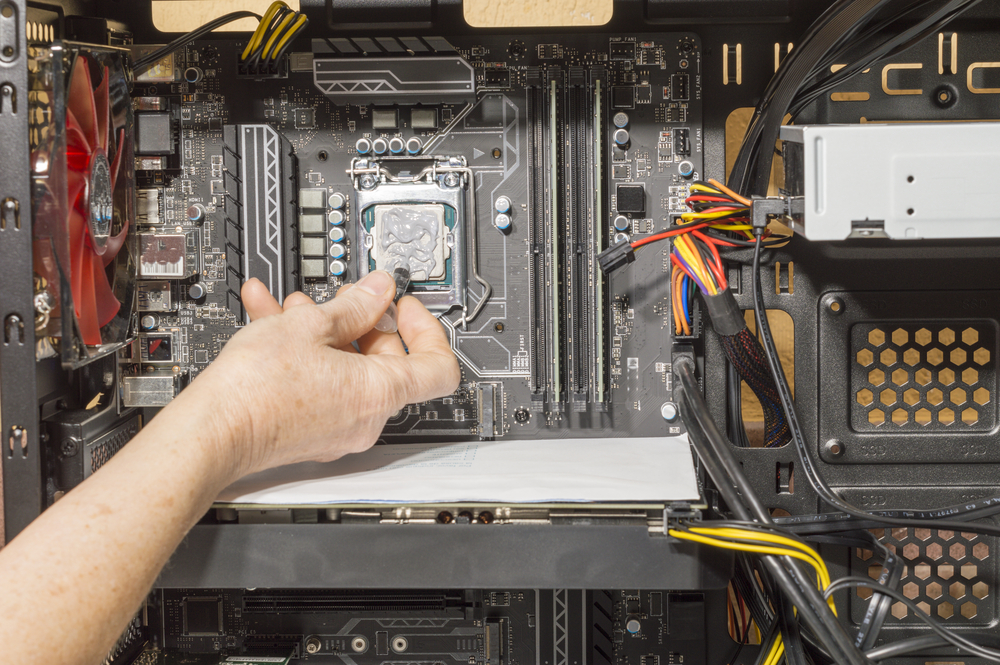
Electrical devices fail over 55% because of overheating, which indicates the necessity for thermal management. Meanwhile, thermal interface materials (TIMs) transmit heat from electronic components to cooling systems to keep devices safe. Silicone thermal interface material is famous for its thermal conductivity, flexibility, and stability at multiple temperatures. Silicone can fill gaps and withstand UV and oxidation, so it is durable. However, users should consider silicone migration in sensitive designs and choose materials accordingly.
Silicone-Based TIMs: High Performance for Heat Management
Silicone as a Material in TIMs
Silicone, or polysiloxane, is a flexible polymer with a siloxane backbone for unique thermal and mechanical properties. It offers high thermal conductivity (6-12 W/mK) with thermally conductive fillers. Its flexibility allows compressibility for better surface contact and heat transfer. Silicone's stability over a temperature range (-60°C to 230°C) and resistance to UV radiation, ozone, and moisture are ideal for thermal interface materials. Moreover, its chemical inertness provides compatibility with electronic components for lower degradation risks.
How Silicone TIMs Function in Heat Management
Silicone thermal interface materials fill microscopic air gaps and imperfections between heat-generating components and sinks. They conform to uneven surfaces for maximum thermal contact and minimum impedance. For example, some silicone-based thermal putty pads can attain up to 90% compressibility to manage surface variability. Silicone TIMs maintain performance under dynamic thermal cycling and mechanical stress for eMobility and power electronics. Stabilizing thermal pathways under high pressures or vibrations enables consistent heat dissipation so electronic components are within their safe operating temperatures.
Advantages of Silicone Thermal Interface Materials
-
High thermal conductivity for efficient heat transfer.
-
Great compressibility for complete surface contact.
-
Broad operational temperature range.
-
Chemical inertness for lower interaction with electronic components.
-
High dielectric strength for electrically sensitive environments.
-
Low thermal impedance due to gap-filling and conformal properties.
-
Resistance to UV, ozone, and environmental degradation.
-
Long-term aging stability to preserve properties over time.
-
Different formulations, like gels, pads, pastes, and phase change materials.
-
Practical under high mechanical stress and vibration.
-
Non-supportive of microbial growth for medical electronics.
-
Compatible with thermal cycling in demanding environments.
-
Can form stable liquid or flexible solid states as needed.
-
Negligible shrinkage or expansion during thermal operation.
-
Electrically insulating for decreased perils of short circuits.
-
High adherence to multiple surfaces for reliability.
-
Converts to silica or glass in high-temperature combustion to address risks.
-
Adjustable formulations for application-specific requirements.
-
Minimal outgassing for aerospace and vacuum applications.
-
High flexibility for variable bondline thickness.
-
Keeps functionality in both static and dynamic interfaces.
Potential Concerns with Silicone Thermal Interface Materials
Electrical Conductivity at High Temperatures
When exposed to high temperatures, silicone thermal interface materials can show unintended electrical conductivity. It is due to the behavior of silicon atoms in the polymer backbone. Silicon electrons can escape covalent bonds at high temperatures for free carriers that facilitate electrical conduction. It is problematic when TIMs are near exposed electrical traces or sensitive circuitry. For example, they may risk short circuits in power systems or LED modules above 150°C.
A slight leakage current could disrupt low-power circuits, component failures, or signal integrity in high-frequency applications. Choosing TIMs with lower silicone extraction rates or applying precise thermal and electrical insulation designs can help moderate such hazards.
Silicone Migration and Contamination
Silicone migration is an issue when contamination is intolerable. Non-crosslinked siloxanes for TIM flexibility can migrate as volatile molecules (outgassing) or liquid oils (bleeding). It may trigger unintended deposition on optical sensors or high-frequency connectors.
For instance, outgassed siloxanes from a silicone thermal interface material can condense on ADAS vision systems for lower image clarity or lens distortions. Similarly, liquid silicone can creep to spark points in open relay systems. It forms a glassy insulative layer due to repeated plasma exposure. The layer can grow to a thickness that interrupts electrical connections. To avoid such contamination, enclosed designs, vacuum-safe TIMs with low outgassing rates (<0.06%), or non-silicone alternatives are recommended for critical systems.
Silicone-Free Alternatives: A Comparative Analysis
Overview of Non-Silicone Polymers in TIMs
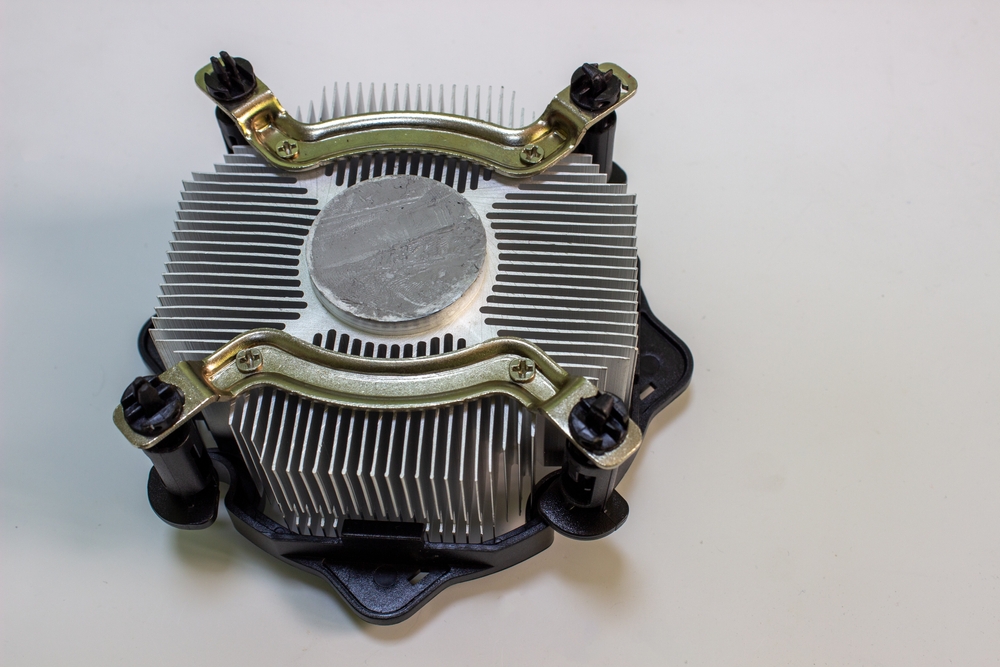
Non-silicone polymers in TIMs, including acrylics, polyimides, and ceramic-based composites, offer advantages when contamination or electrical insulation is important. For instance, acrylic polymers provide low outgassing, which decreases contamination risks in vacuum-sensitive aerospace systems or semiconductor fabs. Studies demonstrate that carbon hydride PCM showed less than 0.06% weight loss during thermal testing for high-purity needs.
Similarly, polyimide-based TIMs with inorganic particles can realize high dielectric strengths and enough thermal conductivity. It suits automotive electronics and optical sensors because electrical isolation and minimal surface resistance are priorities. Besides, their thin Bond Line Thickness (BLT) below 30 µm guarantees effective thermal paths without adding bulk.
Limitations of Silicone-Free TIMs
Silicone-free TIMs face inherent thermal conductivity and compressibility challenges. It impacts their performance in high-power electronic systems. For example, silicone-based TIMs may reach 6-12 W/mK thermal conductivity. In comparison, non-silicone alternatives can stay below 6 W/mK, which limits their suitability for heat-intensive power systems or LED modules.
Also, as observed in many polymer PCMs, their lower compressibility hinders filling microscopic surface irregularities for air gaps that increase thermal impedance. It can degrade thermal performance in high-heat scenarios. For applications needing ultra-thin BLTs in semiconductor cooling, silicone-free materials may hardly keep consistent pressure distribution due to stiffness. While their benefits are notable in niche environments, silicone thermal interface materials are the benchmark for thermal and mechanical properties in demanding systems.
Conclusion
Selecting a thermal interface material requires considering thermal conductivity, electrical insulation, and environmental resilience. The TG-A1780 ultra-soft thermal pad provides 17.8 W/mK of thermal conductivity for high-power electronics like electric cars and 5G base stations. Our silicone-based thermal pads function well from -50°C to 180°C for electrical insulation.
Our TG-N8000 non-silicone thermal putty keeps thermal conductivity without contaminating sensitive components for settings with high mechanical stress or gap filling. For optimal performance, silicone thermal interface materials should be compressed 15%-20%. Explore our selection of TIMs, read our articles, and contact us for professional advice for your project.