

3D Vapor Cooling Technology
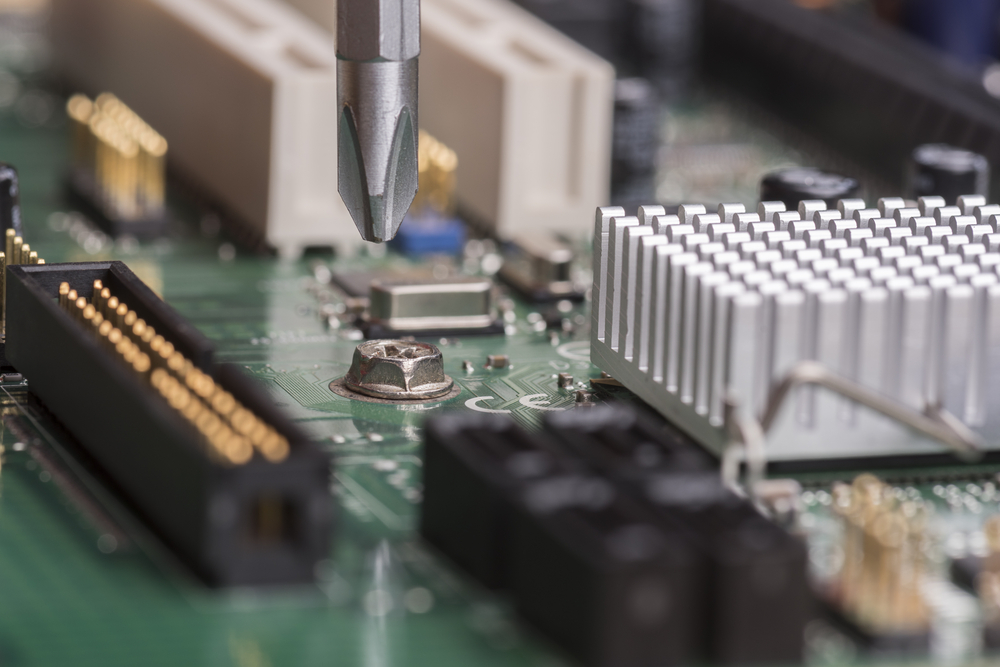
Cooling methods grow fast since thermal concerns cause over 50% of electronic failures. Traditional air and liquid cooling became inadequate for compact heat as electronic device power densities increased, and powerful thermal management techniques were needed. 3D vapor cooling uses three-dimensional vapor chambers to cool high-power-density components.
Even aerospace and data centers use 3D vapor cooling to preserve thermal stability in small, high-performance electronics for dependable, efficient operation in novel applications.
3D Vapor Cooling
3D vapor cooling is a thermal management technology that applies traditional 2D vapor chamber principles to a 3D structure, so heat can spread vertically and horizontally within the chamber. It expands the vapor space into the heat pipes or fins for a multi-dimensional heat dissipation.
As heat enters the evaporator region, the working fluid vaporizes and flows through the entire chamber to cover all surfaces evenly. The isothermal distribution lowers temperature peaks in high-heat-flux GPUs and CPUs. A 3D vapor cooling setup can handle thermal loads of over 250W in compact spaces. That's where traditional cooling would fail for stability.
Traditional heatsinks or heat pipes use single-dimensional conduction paths that limit heat-spreading efficiency. Yet, 3D vapor cooling employs its multi-directional design for faster thermal response and lower thermal resistance. For instance, a copper heat pipe cools in one direction and can dry out under high flux. However, 3D vapor cooling integrates heat pipes vertically into the vapor chamber to avoid risk and increase heat dissipation.
With thermal conductivities above 4400 W/(m·K), 3D vapor chambers provide more efficient cooling than standard metal-base heatsinks in dense power electronics and AI accelerators.
The components of a 3D vapor cooling system are the vapor chamber base, sintered or mesh wick structures, vertical heat pipes, and attached high-density fins. A copper-sintered wick capillary connects the working fluid to the heat source in the vapor chamber, a heat spreader.
Vertical heat pipes extend from the chamber to draw heat into fin stacks, so heat spreads across a large surface area. Dense fin arrays with vapor-integrated bases increase convection efficiency for 2U and 6U racks in server environments. Such compact design flexibility in 3D vapor cooling enables cooling in constrained spaces to support peak loads without thermal throttling.
Industries and Applications
Consumer Electronics
-
Smartphones (flagship models for gaming performance).
-
Tablets and ultra-thin laptops.
-
Gaming consoles.
-
Wearables (smartwatches with compact high-power processors).
High-Performance Computing (HPC)
-
GPUs for ML and AI workloads.
-
OCP Accelerator Modules (OAM) for AI and deep learning models.
-
CPU cooling for data centers and HPC clusters.
-
Quantum computing systems for precise temperature regulation.
Telecommunications
-
5G and 6G cellular infrastructure (base stations with high-power RF components).
-
Network routers and switches with high data throughput.
-
Optical network transceivers.
-
Remote radio heads (RRHs) in telecommunication towers.
Automotive and Electric Vehicles (EVs)
-
Battery management systems (BMS) for EV batteries.
-
Advanced driver-assistance systems (ADAS) computing units.
-
Electric vehicle power electronics (inverters and converters).
-
LiDAR and radar systems for autonomous vehicles.
Aerospace and Defense
-
Avionics and cockpit systems with compact high-power electronics.
-
Military-grade computing systems and portable electronics.
-
Satellites and spaceborne electronics with cooling and weight requirements.
-
Missile guidance and targeting systems.
Industrial and Manufacturing Equipment
-
Industrial automation controllers in high-heat environments.
-
Robotics with real-time data processing for complex tasks.
-
High-power LED lighting systems in exciting environments.
-
CNC machinery controllers with sustained high processing loads.
Medical Devices
-
Imaging equipment (MRI, CT, ultrasound) with high-performance computing.
-
Wearable health monitors for real-time data processing.
-
Portable diagnostic devices with compact processing units.
-
Laser-based surgical instruments with high-precision temperature needs.
Gaming and Esports
-
High-performance gaming laptops and desktops.
-
VR headsets with intensive graphics requirements.
-
Graphics cards and CPUs in custom gaming setups.
-
Overclocked hardware for eSports tournaments and professional gaming.
Renewable Energy Systems
-
Inverters and power control units in solar energy systems.
-
Battery energy storage systems for stable cooling.
-
Wind turbine electronics, including inverters and controllers.
-
Fuel cell systems with precise thermal management requirements.
Data Centers
-
Blade servers and densely packed server racks.
-
Cloud computing servers with intense, steady workloads.
-
Edge computing devices in environments with limited airflow.
-
Hyperscale data center processors.
Challenges and Considerations
Challenges and Limitations of 3D Vapor Cooling
Manufacturing complexities and cost constraints are hurdles in 3D vapor cooling. First, precision in the welding between vapor chamber bases and vertically integrated heat pipes can introduce points of failure that impact thermal performance. When open-ended heat pipes are welded to vapor chamber tops, misalignment can cause temperature inconsistencies across the assembly.
The challenge becomes severe when isothermal conditions under high power densities (CPUs above 270W TDP) are needed. Moreover, producing 3D vapor chambers includes costly multi-step stamping, diffusion bonding, and vacuum-sealing processes. It increases the unit cost over traditional two-piece chambers and limits their use to high-end, critical applications. Additional structural support for heat pipes for reliability also adds to assembly costs.
Considerations To Implement 3D Vapor Cooling in Electronic Products
Manufacturers and designers must balance 3D vapor cooling thermal performance with spatial restrictions. When designing compact AI GPUs or accelerator modules, one must consider the impact of fin density and vapor space optimization on cooling efficiency.
High-density fins in the vapor chamber boost heat dissipation but may restrict airflow in configurations above 2U rack height. Also, sintered wick thickness matters. A thicker wick may improve liquid flow to the evaporator but decrease vapor space and total heat dissipation. Last but not least, to fix capillary pumping issues in vertical setups, designers should choose sintered materials with custom pore sizes that balance permeability and structural rigidity.
Advancements in 3D Vapor Chamber Technology
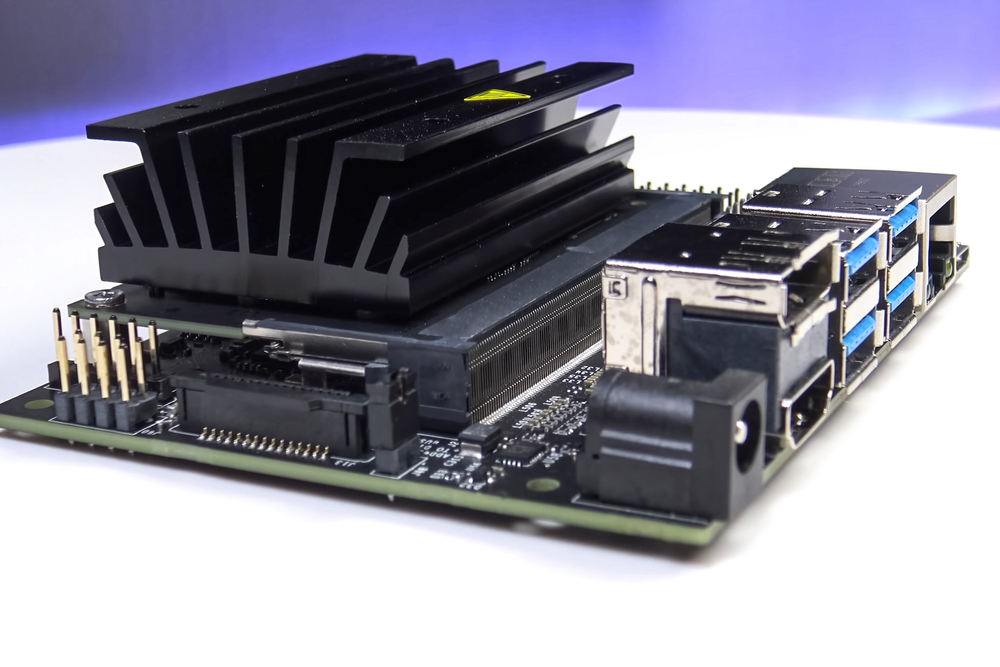
3D vapor cooling technology advancements integrate vapor chambers into the base and fins of heat sinks for thermal uniformity and rapid heat transfer across geometries. Manufacturers have expanded the thermal performance envelope with vapor chambers within fin structures.
For example, such systems now manage higher thermal loads in high-performance CPUs. The 3D design maximizes the heat transfer area and minimizes thermal resistance with a contiguous vapor pathway from the base into the fins. It keeps lower isothermal delta-T values under high flux. Plus, the configuration facilitates rapid temperature recovery for lower conduction loss than other designs for AI and dense power electronics in low-airflow or compact environments.
T-Global's Innovative 3D Vapor Cooling Solutions
At T-Global, we are experts in thermal management technologies, including our 3D vapor cooling solutions. Our vapor chambers utilize a multi-dimensional heat transfer method to fix high-power thermal issues. They boost heat dissipation and support high-performance electronics while transferring localized heat sources across a large area. We develop ultra-thin thermal vapor chambers with thicknesses of 0.4mm or less to meet the demands of electronic devices.
We expect 3D vapor cooling to become essential as electronics shrink and power densities grow. Our experience lets us lead next-gen electronics cooling solution development. We invite you to explore our range of 3D vapor cooling products and discuss how we can assist with your thermal management needs. For more information, please visit our vapor chamber product page.